



January 2026
Essential Guide to Winterizing Your RV Water System
When temperatures drop below freezing, any water left in your RV’s plumbing can expand, causing pipes to burst and fittings…
Read MoreWelcome to Ronco Plastics — Your Trusted Partner in High-Quality Plastic Solutions.
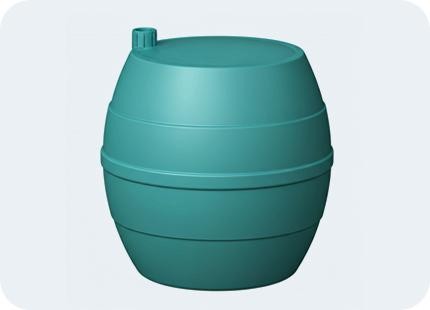
While both are members of the “Poly” family (polyolefins), they offer distinct advantages depending on temperature, chemical exposure, and physical stress.
| Feature | Polyethylene (PE / HDPE) | Polypropylene (PP) |
|---|---|---|
| Max Temp | Up to 140°F (60°C) | Up to 180°F – 212°F (100°C) |
| Impact Resistance | Excellent (Flexible) | Good (More Rigid) |
| Cold Weather | Remains flexible in freezing | Can become brittle |
| Chemicals | Best for water, oils, fuels | Superior for acids and solvents |
| Cost | More budget-friendly | Slightly higher cost |
THE WORKHORSE
Polyethylene is the most common plastic in the world. For water storage, High-Density Polyethylene (HDPE) is the industry standard.
THE SPECIALIST
Polypropylene is a denser, stiffer plastic often used in industrial settings where “hot-fill” or aggressive chemicals are present.
Choose Polyethylene if: You are storing potable (drinking) water, your tank will be kept outside in various weather conditions, or you are on a budget.
Choose Polypropylene if: You are storing heated liquids, need to store aggressive industrial chemicals, or require a custom-fabricated tank with high structural rigidity.
When temperatures drop below freezing, any water left in your RV’s plumbing can expand, causing pipes to burst and fittings…
Read More
When shopping for water tanks or containers, the “FDA Approved” label is often used as a gold standard for safety.…
Read More
Quick Comparison While both are members of the “Poly” family (polyolefins), they offer distinct advantages depending on temperature, chemical exposure,…
Read More