


January 2026
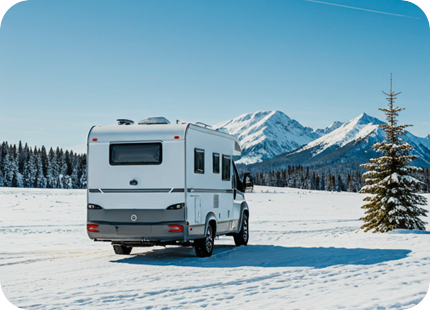
Essential Guide to Winterizing Your RV Water System
When temperatures drop below freezing, any water left in your RV’s plumbing can expand, causing pipes to burst and fittings…
Read MoreWelcome to Ronco Plastics — Your Trusted Partner in High-Quality Plastic Solutions.
When temperatures drop below freezing, any water left in your RV’s plumbing can expand, causing pipes to burst and fittings to crack. Proper winterization is the most important maintenance task an RV owner can perform.
Before adding antifreeze or blowing out the lines, you must remove as much water as possible:
Never add antifreeze to your water heater. It is a waste of fluid and can be difficult to rinse out in the spring.
This is the most secure method for extreme cold. You will pump RV antifreeze through the entire system until it comes out of every faucet.
Using a “City Water” blow-out plug and an air compressor (set to no more than 30-40 PSI), you force air through the lines to clear moisture.
Even if you blow out the lines, you must pour about 1-2 cups of RV antifreeze down every drain (kitchen, bathroom, and shower) to protect the P-traps from freezing and cracking.
Winterizing takes about an hour but can save thousands of dollars in repairs. Once finished, double-check that your water pump is off and all faucets are closed.
When temperatures drop below freezing, any water left in your RV’s plumbing can expand, causing pipes to burst and fittings…
Read More
When shopping for water tanks or containers, the “FDA Approved” label is often used as a gold standard for safety.…
Read More
Quick Comparison While both are members of the “Poly” family (polyolefins), they offer distinct advantages depending on temperature, chemical exposure,…
Read More